




Nursing Home Abuse & Neglect Lawyers in Boca Raton, FL
When someone you love is harmed while living in a nursing home or assisted living facility, the experience can be deeply painful and difficult to understand. Families often find themselves worried about their loved one's well-being while trying to determine what happened and what can be done to protect them.
At Demand The Limits, we listen to residents and their families throughout Boca Raton and Palm Beach County, helping them understand their options and pursue accountability when appropriate. With more than $120 million recovered for injured clients across South Florida, we bring nursing home abuse expertise and compassion to every family we represent.


Serious Representation for Families Dealing with Nursing Home Harm
%20(1).avif)
When you hire Demand The Limits, we step in and handle every aspect of the legal and investigative side of your case from day one. We obtain the facility's complete medical and staffing records, identify the regulatory violations and care failures the records reveal, and build a case that holds the facility, its management, and its direct caregivers accountable under Florida's elder care statutes.
Our exceptional nursing home negligence attorneys include Alan Siegel and Andrew Odza, co-founders recognized as Super Lawyers Rising Stars and Million Dollar Advocate Forum Life Members; Loreen Kreizinger, who holds a Martindale-Hubbell AV Preeminent rating and the American Institute of Trial Lawyers Litigator of the Year award; and Jason P. Herman, a recognized Top 100 High Stakes Litigator. The firm was named a 2026 Top Workplace by the South Florida Sun Sentinel and listed on the 2026 Inc. 5000 Regionals.
At Demand The Limits, we take a more personal and proactive approach to every case. Clients should feel informed, supported, and confident that their legal team is fully invested from beginning to end.



Types of Nursing Home Abuse and Neglect We Handle
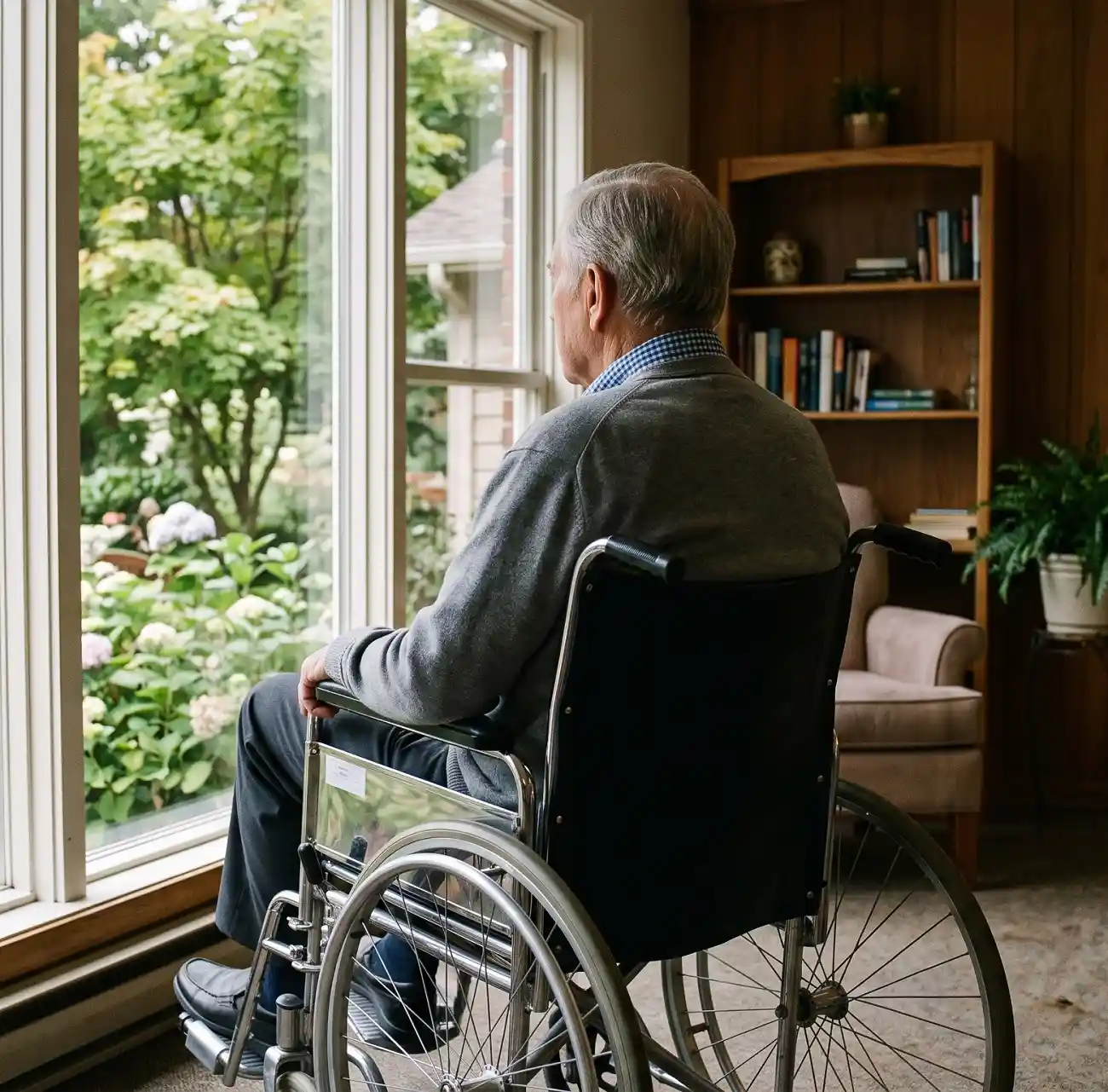
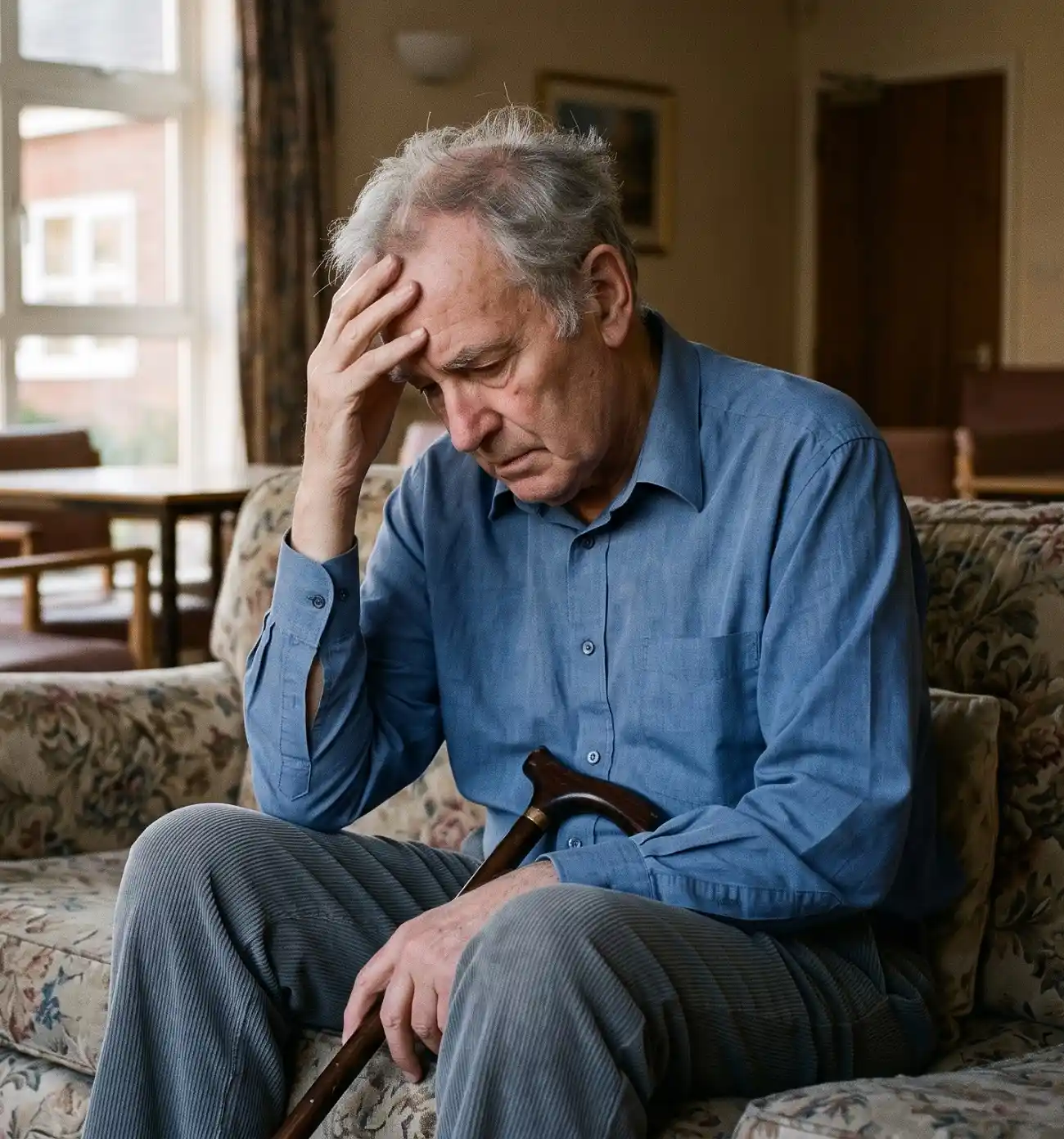
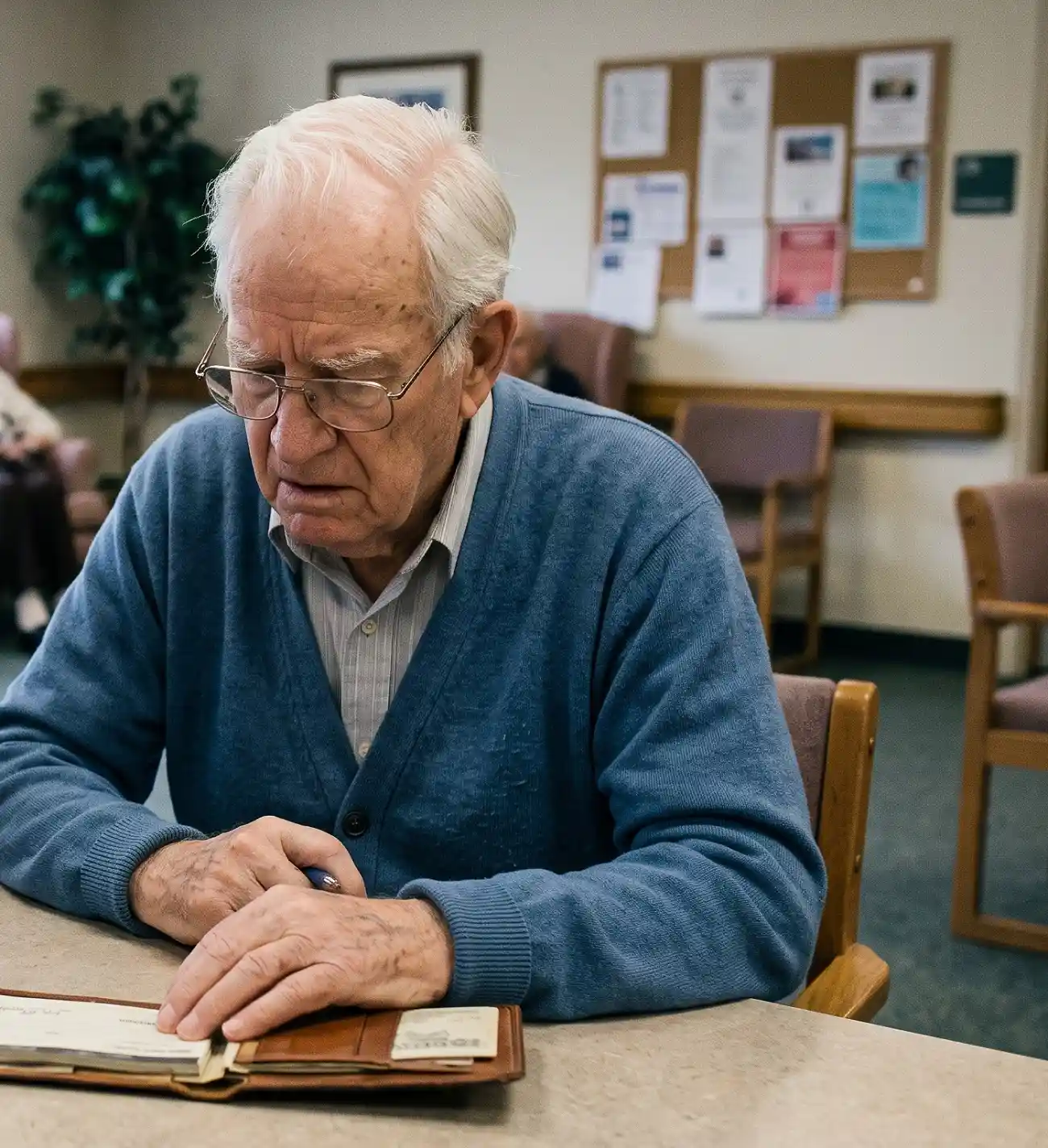
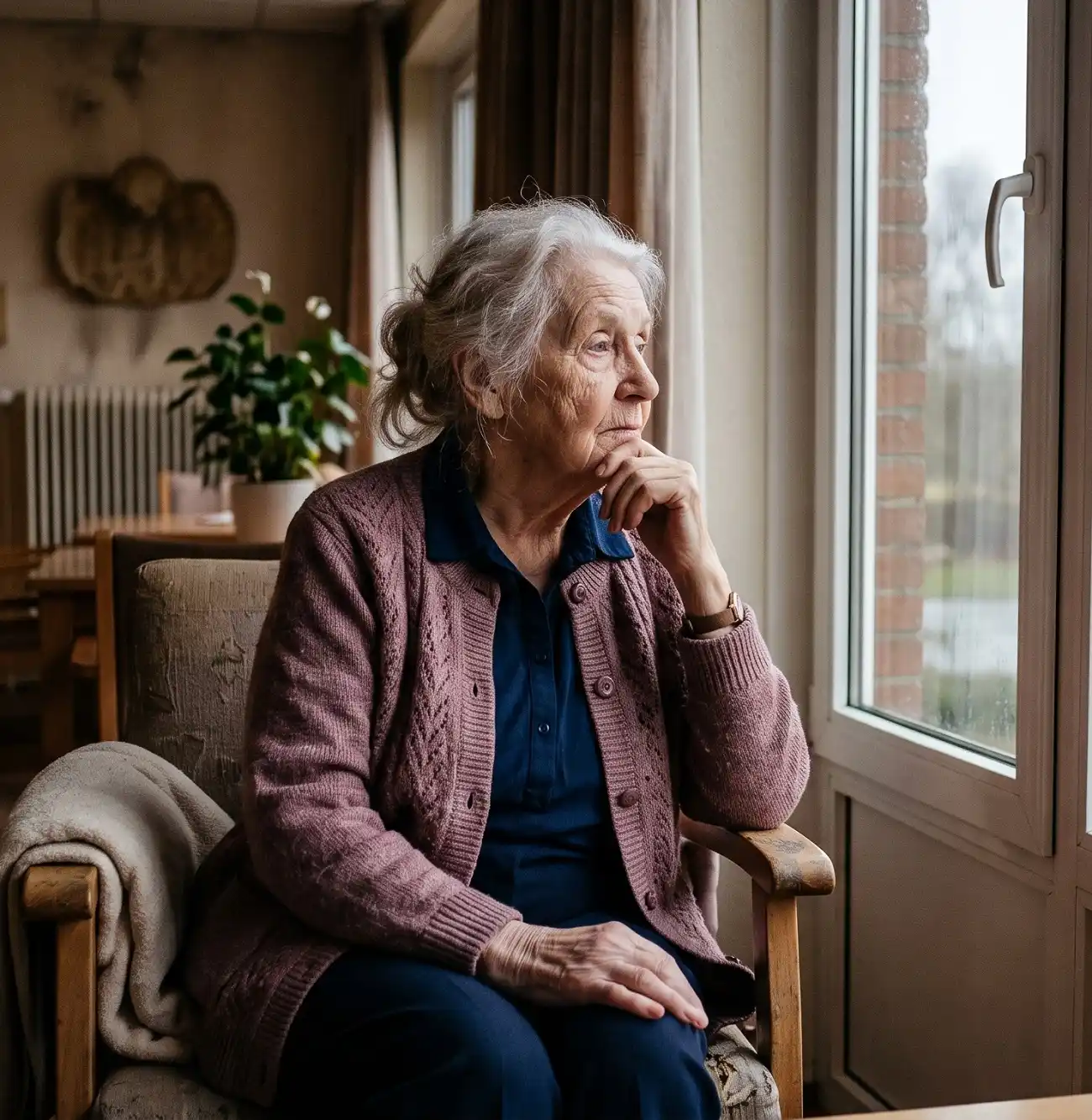
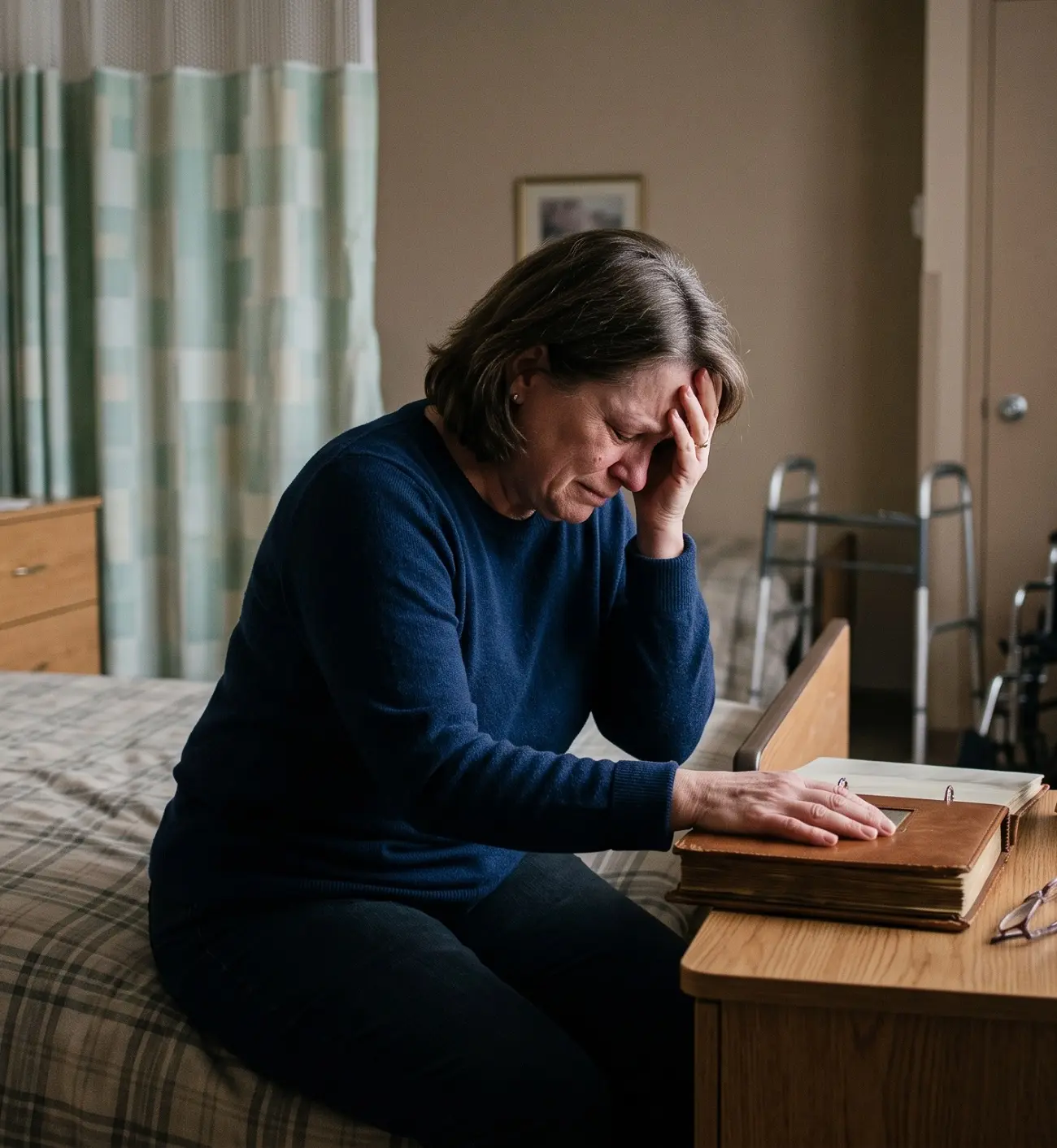
Nursing home abuse and neglect take many forms, and not all of them are immediately visible. Our Boca Raton nursing home abuse lawyers handle the full range of harm that occurs inside care facilities throughout Palm Beach County.
Physical Abuse
Physical abuse is any intentional act by a caregiver that causes harm to a resident, such as striking, pushing, inappropriate use of physical restraints, or any other conduct that results in physical injury. Signs of abuse include unexplained bruises, fractures, or injuries inconsistent with the explanation given by facility staff.
Neglect
Neglect occurs when a facility fails to meet a resident's basic needs, including failing to provide adequate nutrition, hydration, hygiene, medical attention, or supervision. It may be less visible than physical abuse but is equally serious and more common. Neglect often stems from chronic understaffing, which remains one of the most pervasive problems in Florida's nursing home industry.
Pressure Ulcers (Bedsores)
Pressure ulcers are among the clearest indicators of nursing home neglect. Stage 3 and Stage 4 bedsores result from prolonged, uninterrupted pressure on the skin, which develops when staff fails to reposition bedridden residents as required. A serious pressure ulcer in a nursing home setting is almost always preventable, and its presence raises immediate questions about the facility's staffing and care protocols.
Medication Errors
Giving the wrong medication, the wrong dose, or failing to administer a prescribed medication at all can have serious and sometimes fatal consequences for nursing home residents. These errors can occur at the individual staff level or reflect systemic failures in the facility's medication management processes.
Falls and Inadequate Supervision
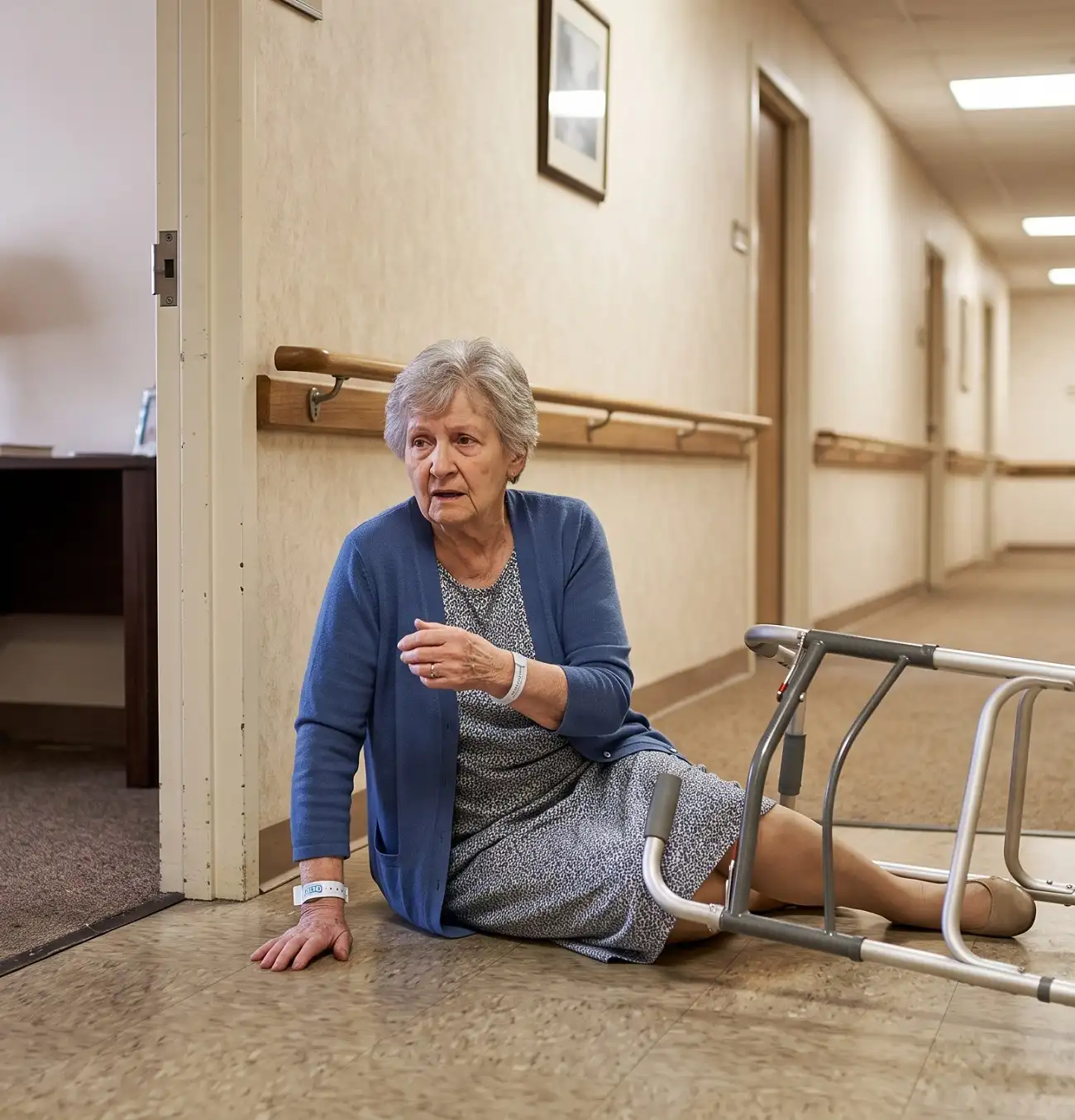
Falls are among the most common causes of serious injury in nursing home residents, and many are preventable. When a facility fails to assess fall risk, implement an adequate fall-prevention plan, or maintain appropriate staffing ratios, and a resident falls and is injured as a result, the facility may be liable for that outcome.
Emotional and Psychological Abuse
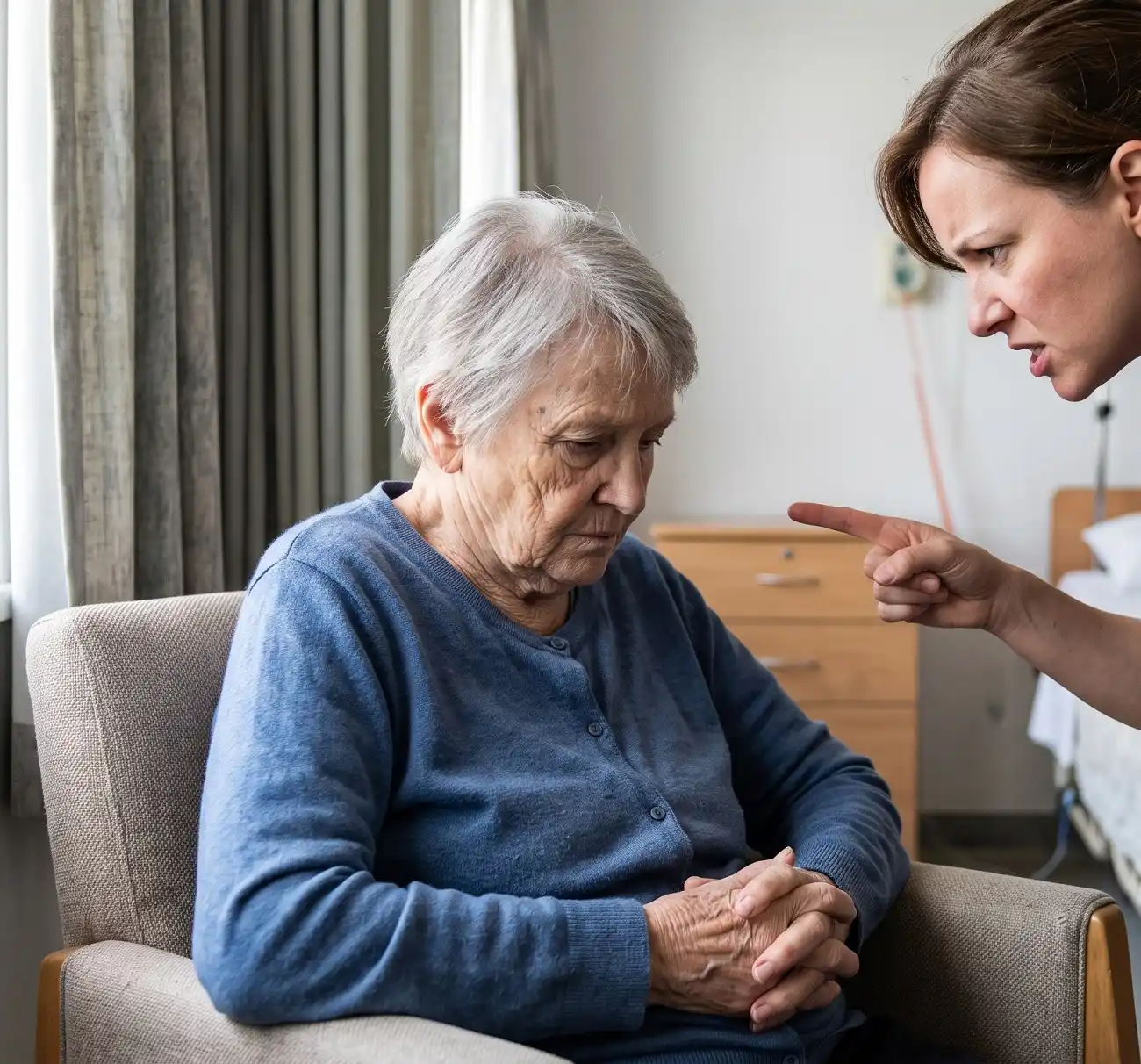
Verbal threats, humiliation, intimidation, and social isolation are all forms of abuse that may not leave visible marks but cause serious harm. This form of mistreatment is often harder to detect and document, particularly when the resident has cognitive impairment.
Financial Exploitation
Financial exploitation of nursing home residents, including unauthorized use of funds, theft of personal property, manipulation of a resident into changing financial documents, and other forms of financial misconduct, is a violation of both civil and criminal law in Florida.
Sexual Abuse
Sexual abuse of a nursing home resident is among the most serious forms of elder mistreatment. Under Florida Statute §400.022(1)(o), residents have the explicit right to be free from sexual abuse, and violations may support both civil claims and criminal referrals.
Wrongful Death
When neglect or abuse inside a nursing home contributes to a resident's death, surviving family members may have a wrongful death claim under Florida's Wrongful Death Act alongside any civil action under Chapter 400. Our attorneys handle both types of claims.


%20(1).avif)
Something Happened Inside That Facility
The records will show it. Our Boca Raton nursing home abuse attorneys know exactly what to look for. Call us 24/7 for a free, confidential case review.

Warning Signs of Nursing Home Abuse and Neglect
Families often do not witness the abuse or neglect directly. What they notice are changes in their loved one's condition, behavior, or appearance that signal something has gone wrong. Signs that warrant immediate attention:
- Unexplained injuries including bruises, cuts, burns, or fractures
- Pressure ulcers or bedsores, particularly those at advanced stages
- Sudden or unexplained weight loss or signs of dehydration
- Deterioration in hygiene, grooming, or living conditions
- Unexplained changes in behavior, including increased withdrawal, anxiety, or fearfulness
- Resistance to physical examinations or reluctance to speak in front of staff
- Medication changes or unexplained side effects
- Missing personal property or unexplained changes to financial documents
- A resident reporting mistreatment, even in passing or fragmented ways
- Staff who are evasive, defensive, or reluctant to allow private time with the resident
Florida nursing home residents and their families also have the right to file complaints with the Florida Agency for Health Care Administration (AHCA) and to contact the Florida Long-Term Care Ombudsman Program. These regulatory processes are separate from the civil claim and do not replace the right to pursue damages in court.
Common Injuries Caused by Nursing Home Abuse and Neglect
The harm that results from facility failures can be severe and, in many cases, permanent. Nursing home injuries often qualify as catastrophic injuries with long-term consequences for the resident's health and quality of life. We represent residents and families dealing with:
- Stage 3 and Stage 4 pressure ulcers and the infections that follow
- Bone fractures from falls or physical abuse, particularly hip fractures in older residents
- Head injuries from unattended falls
- Malnutrition and severe dehydration
- Sepsis and systemic infections from untreated wounds or inadequate hygiene
- Aspiration pneumonia from improper feeding or positioning
- Medication overdoses or withdrawal effects from administration errors
- Psychological trauma including depression, anxiety, and PTSD
- Death resulting from neglect or abuse
Nursing home injuries do not carry the dramatic visual record of a car accident or a fall from height. The harm often develops gradually, and the evidence lives inside the facility's own records, which is exactly why obtaining and analyzing those records is the first priority in every case we handle.
Compensation Available in a Nursing Home Abuse or Neglect Case

Florida's Chapter 400 civil enforcement statute allows injured residents and their families to pursue both compensatory and punitive damages when a facility's negligence or rights violation caused harm.
Economic Damages
Economic damages cover the documented financial consequences of the facility's failures:
- Medical expenses for treatment of injuries caused by abuse or neglect
- Hospitalization, surgery, and specialist care
- Rehabilitation and long-term care costs
- Transfer and placement costs if the resident must move facilities
- Out-of-pocket expenses directly caused by the harm
Non-Economic Damages
Non-economic damages address the personal impact on the resident and their family:
- Physical pain and suffering experienced by the resident
- Emotional distress and psychological harm
- Loss of dignity and quality of life during the period of abuse or neglect
- Family members' emotional harm in appropriate circumstances
Punitive Damages
Under Florida Statute §400.0237, punitive damages may be available when a facility's conduct rises to the level of intentional misconduct or gross negligence. Nursing homes that falsify records, deliberately understaff to increase profits, or allow known patterns of abuse to continue without intervention may be subject to punitive awards in addition to compensatory damages.
Steps to Take If You Suspect Nursing Home Abuse or Neglect
Acting quickly protects both your loved one and the legal claim.
- Ensure your loved one's immediate safety. If the situation involves ongoing harm, removing them from the facility and arranging alternative care may need to happen before anything else.
- Document what you observe. Photograph visible injuries, living conditions, and any physical evidence of neglect. Write down dates, times, and everything you have seen, heard, or been told.
- Request the facility's records. As a resident or authorized representative, you have the right to access medical and care records. Our attorneys can obtain the full documentation, including staffing logs and incident reports, through the legal process.
- Report to the appropriate agencies. File a complaint with AHCA or contact the Florida Long-Term Care Ombudsman Program. These steps create an official record and may trigger an inspection. They do not, however, replace the civil legal process.
- Do not sign anything from the facility or its insurer. Early settlement offers or releases presented during a difficult period are almost always structured to limit what you can recover later.
- Contact Demand The Limits as early as possible. Nursing home cases have specific statutory timelines, a mandatory pre-suit process, and a two-year statute of limitations. The sooner we are involved, the more thoroughly we can build your case.
Florida Law and Nursing Home Abuse Claims
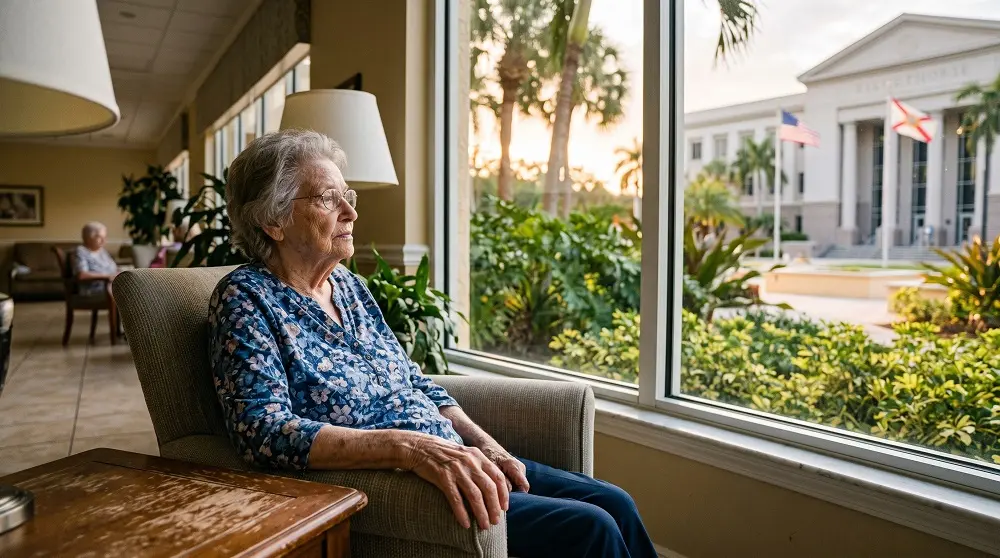
Florida's elder care framework provides nursing home residents with some of the strongest legal protections in the country and specific civil remedies when those protections are violated.
Florida's Residents' Bill of Rights
Under Florida Statute §400.022, every licensed nursing home must adopt and disclose a statement of resident rights and treat every resident in accordance with it. These rights include the right to dignity and respect, freedom from abuse, adequate medical care, freedom from unauthorized restraints, privacy, and participation in care decisions. A violation of any of these rights is evidence of negligence that a jury may consider in a civil case.
Civil Enforcement and Who Can Be Sued
Under Florida Statute §400.023, the injured resident, their guardian, or a person acting with the resident's consent may bring a civil claim. If the resident has died, the personal representative of the estate may bring the action. Liability extends to the facility licensee, management companies, managing employees, and direct caregivers for actual and punitive damages.
Mandatory Pre-Suit Process
Before a nursing home abuse lawsuit can be filed in Florida, the claimant must complete a mandatory presuit notice and investigation process under Florida Statute §400.0233. This process has specific documentation, timing, and notice requirements. Errors in the presuit process can jeopardize the entire case. Our nursing home abuse attorney specialists manage every step precisely.
Statute of Limitations
Under Florida Statute §400.0236, nursing home negligence and resident rights violation claims must be filed within two years of the incident occurring or being discovered. The pre-suit process must be completed before filing, further compressing the practical timeline. Contact an attorney as soon as you suspect something went wrong.
Two Years to File. And a Pre-suit Process Before That.
Don't wait. Florida's nursing home abuse statute has strict timelines and a mandatory presuit period that compresses the real deadline. Our Boca Raton nursing home abuse attorneys are available around the clock for a free, strictly confidential consultation, with no upfront fees.
What Our Clients Say About Us



Nursing Home Abuse Attorney Serving Boca Raton and South Florida
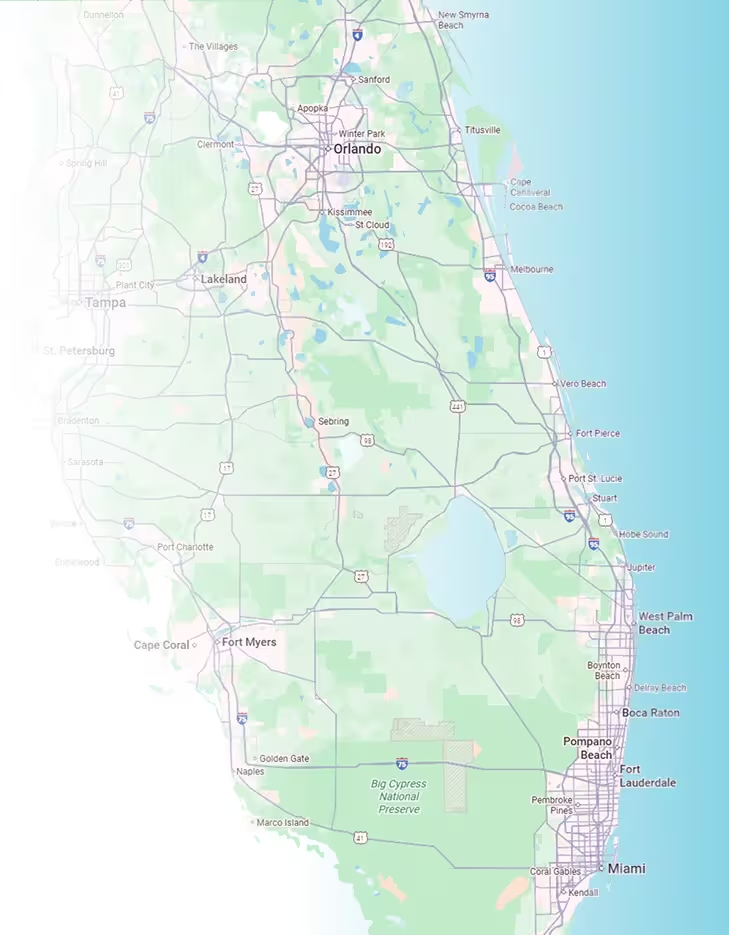
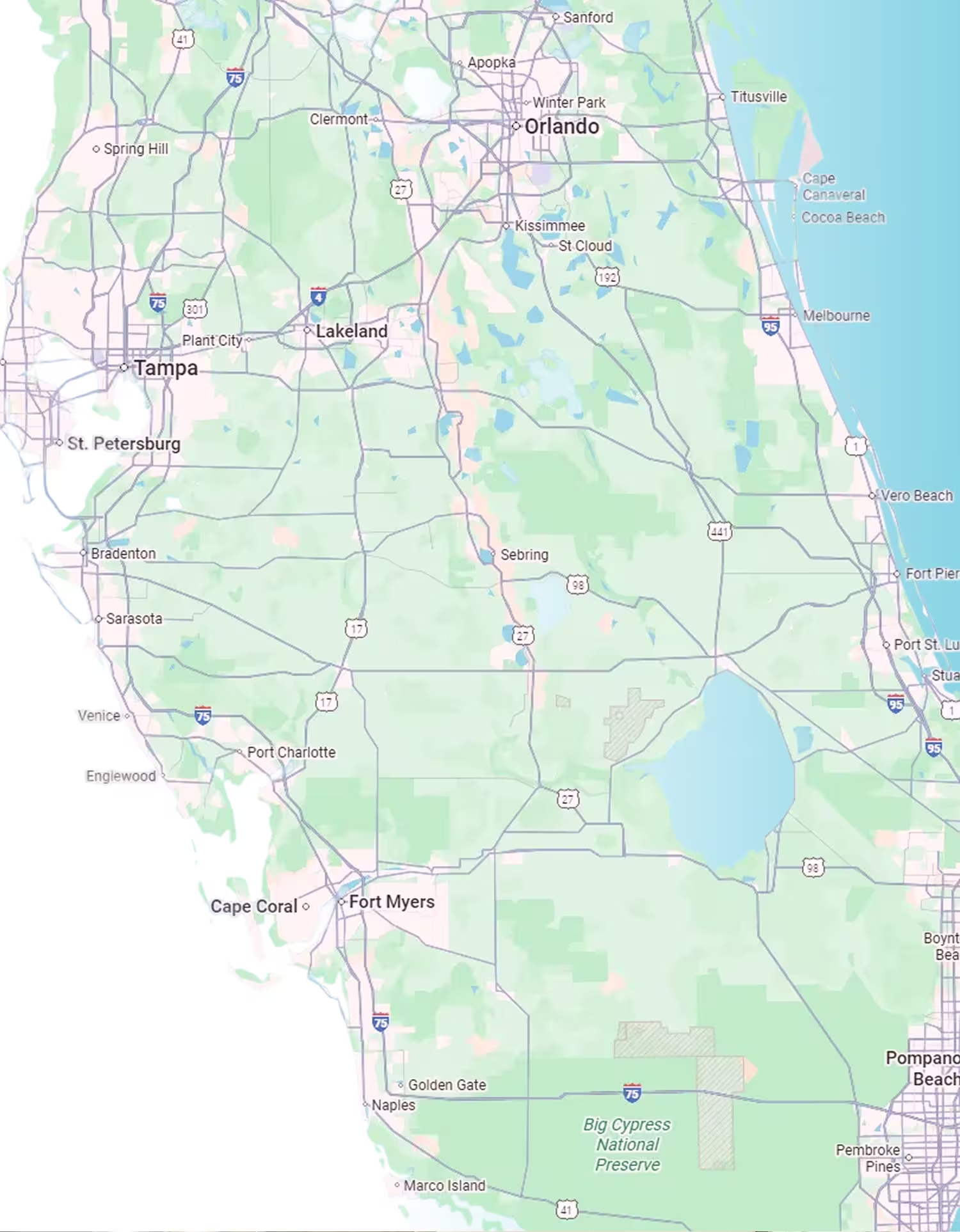
Demand The Limits represents nursing home residents and their families throughout Boca Raton, Palm Beach County, and across South Florida. Wherever your loved one resides or resided in the region, we are available to evaluate your case.
.svg) Deerfield Beach
Deerfield Beach- Fort Lauderdale
- Jacksonville
- Tallahassee
- Fort Myers
- And throughout the entire state.

.svg)
.avif)
You've Been Through Enough. We'll Take It from Here.
At Demand The Limits, we provide more than just legal advice. We provide a path forward. Our Boca Raton nursing home abuse and neglect attorneys are available 24/7 to hear what happened and start the process of holding the facility accountable. No fees unless we recover on your behalf.
Frequently Asked Questions — Nursing Home Abuse and Neglect Claims in Boca Raton
How do I know if what happened qualifies as nursing home abuse or neglect?
Abuse is an intentional act by a caregiver that causes harm. Neglect is the failure to meet a resident's basic needs, such as medical care, nutrition, hygiene, supervision, and positioning. Both give rise to civil claims under Florida's Chapter 400, and a violation of any right listed in Florida Statute §400.022 is evidence of negligence. The best way to determine whether what happened to your loved one qualifies is to have the facility records reviewed by an attorney.
Can I sue the nursing home if my loved one passed away?
Yes. If the facility's negligence or abuse contributed to a resident's death, the personal representative of the estate may bring a civil claim under Florida Statute §400.023. Surviving family members may also have a wrongful death claim under Florida's Wrongful Death Act. Both claims can proceed together.
What is the presuit process and why does it matter?
Before a nursing home lawsuit can be filed, Florida law requires a mandatory pre-suit notice and investigation period under Florida Statute §400.0233. This involves serving formal notice on the facility and waiting a specified period. Procedural errors at this stage can end a case. We manage it precisely from the start.
How long do I have to file a nursing home abuse claim in Florida?
Two years from the date the incident occurred or was discovered, under Florida Statute §400.0236. Because the presuit process must be completed before filing, the real working window is shorter. Contact us as soon as you suspect something went wrong.
Should I report the abuse to the state before calling an attorney?
You can do both. Filing a complaint with AHCA or contacting the Ombudsman Program is appropriate and creates an official record. Those regulatory processes are entirely separate from the civil claim and do not affect your right to sue. Speaking with an attorney first ensures you understand your options before you take any steps that could be used against you later in the claim.
What if the nursing home offers a settlement early?
Do not accept it without speaking to an attorney. Early settlement offers in nursing home cases are structured to close claims before the facility's full liability picture is established. Once you sign a release, the right to additional compensation is gone permanently.